


Modern Home Decor on a Budget: The Designer Secrets No One Talks About
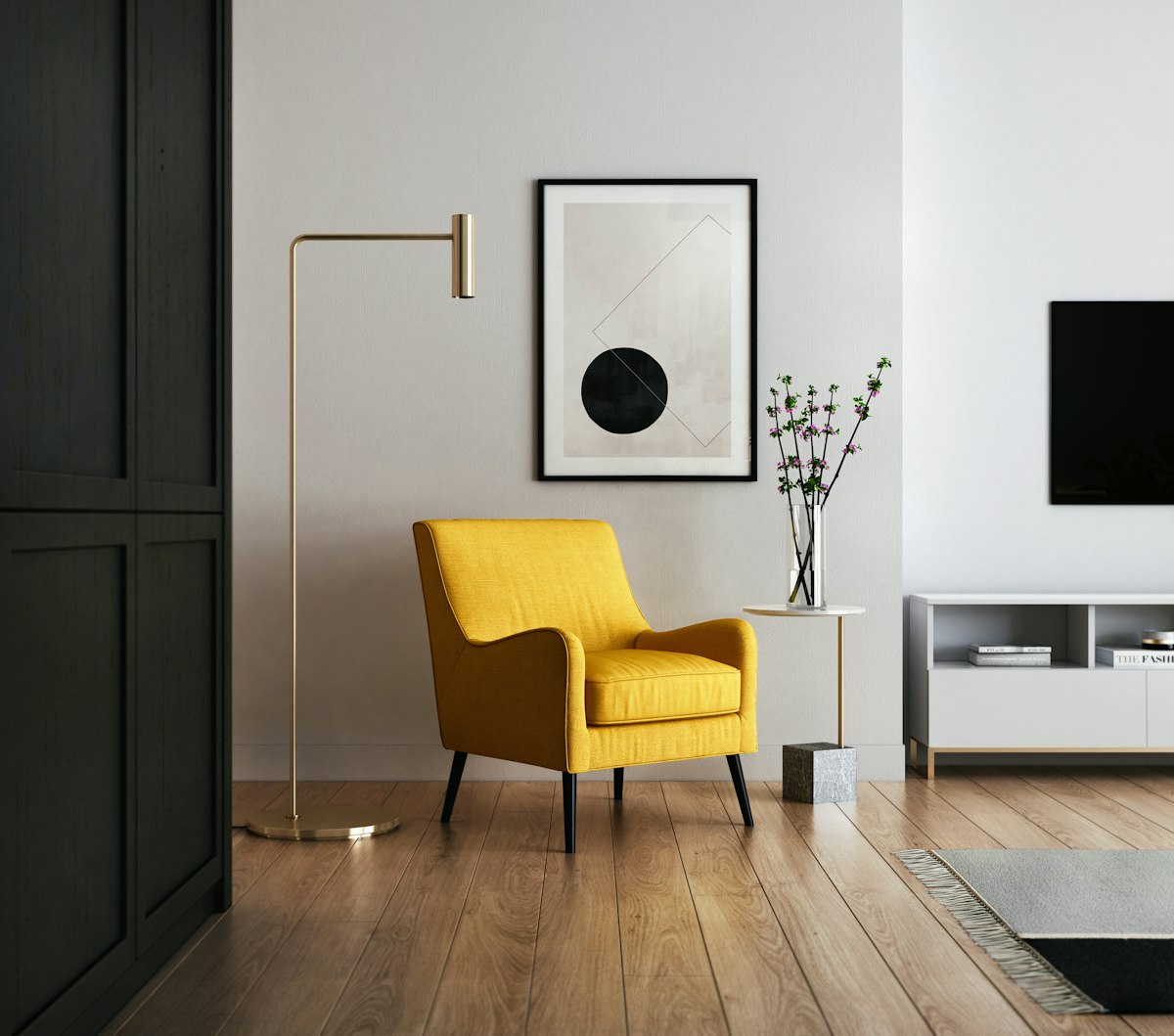
The sofa cost $340. The room looks like it belongs in a Kinfolk editorial. That's not luck — it's sequencing. The designer who staged that apartment in Portland spent $1,200 total, but she knew exactly which three pieces would do the heavy lifting, and she let everything else recede. Modern home decor on a budget isn't about finding cheap substitutes for expensive things. It's about understanding which decisions actually move the needle on how a space feels — and which ones don't matter nearly as much as the industry wants you to think. This guide breaks down the real framework, piece by piece.
Why Most Budget Decorating Advice Gets It Backwards
The standard advice — "start with a neutral base, add pops of color" — is fine. It's also the reason so many budget rooms feel assembled rather than designed. The problem isn't the palette. It's the order of operations.
Most people buy furniture first, then try to make it work with lighting and textiles. Designers do the opposite. They establish the light quality of a room before committing to a single piece of furniture, because light determines how every surface reads. A $200 floor lamp in the right position can make a $400 sofa look like it cost three times that.
According to a 2023 Houzz renovation report, homeowners who planned their lighting before purchasing furniture reported 34% higher satisfaction with their final room outcome — even when total budgets were identical. The sequence matters more than the spend.
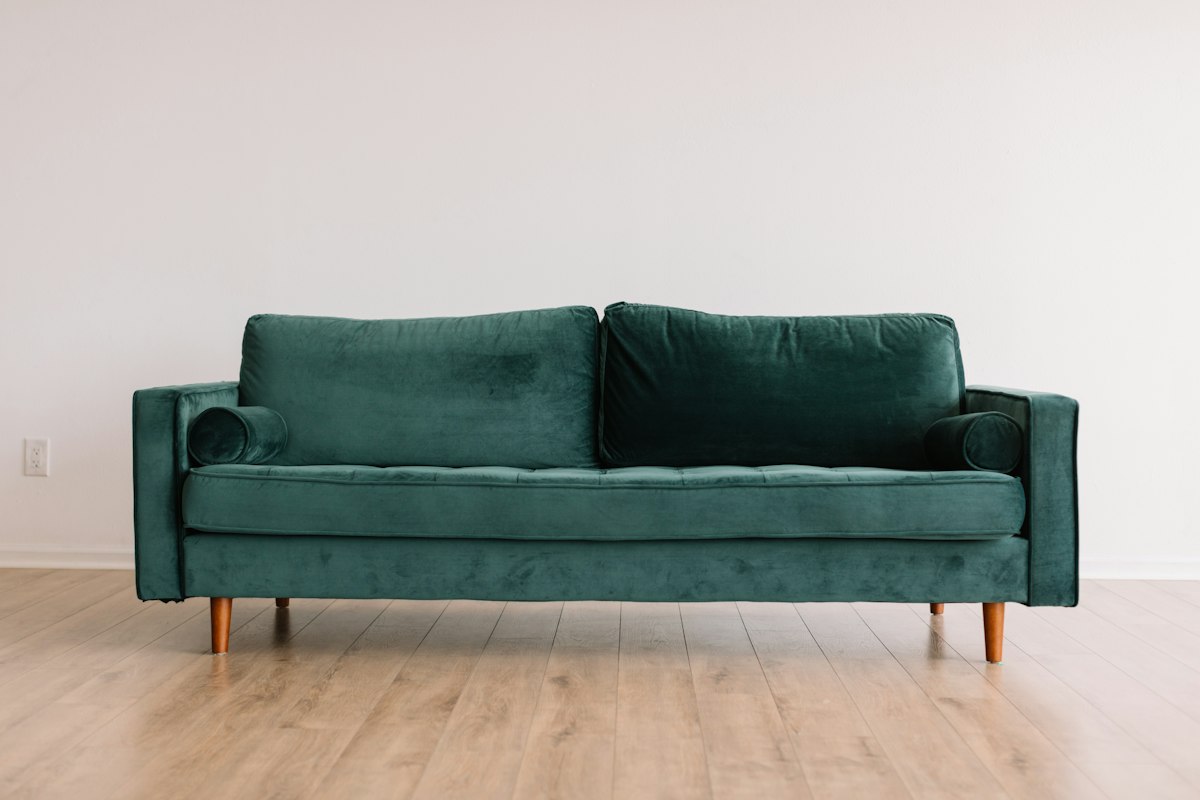
The other inversion: most budget guides tell you to save on furniture and splurge on accessories. The opposite is usually smarter. One well-proportioned sofa anchors a room in a way that forty throw pillows cannot.
The 60-30-10 Rule Reimagined for Modern Interiors
The classic color rule — 60% dominant, 30% secondary, 10% accent — still holds. But for modern and Nordic-influenced spaces, the ratios shift slightly, and the categories change entirely.
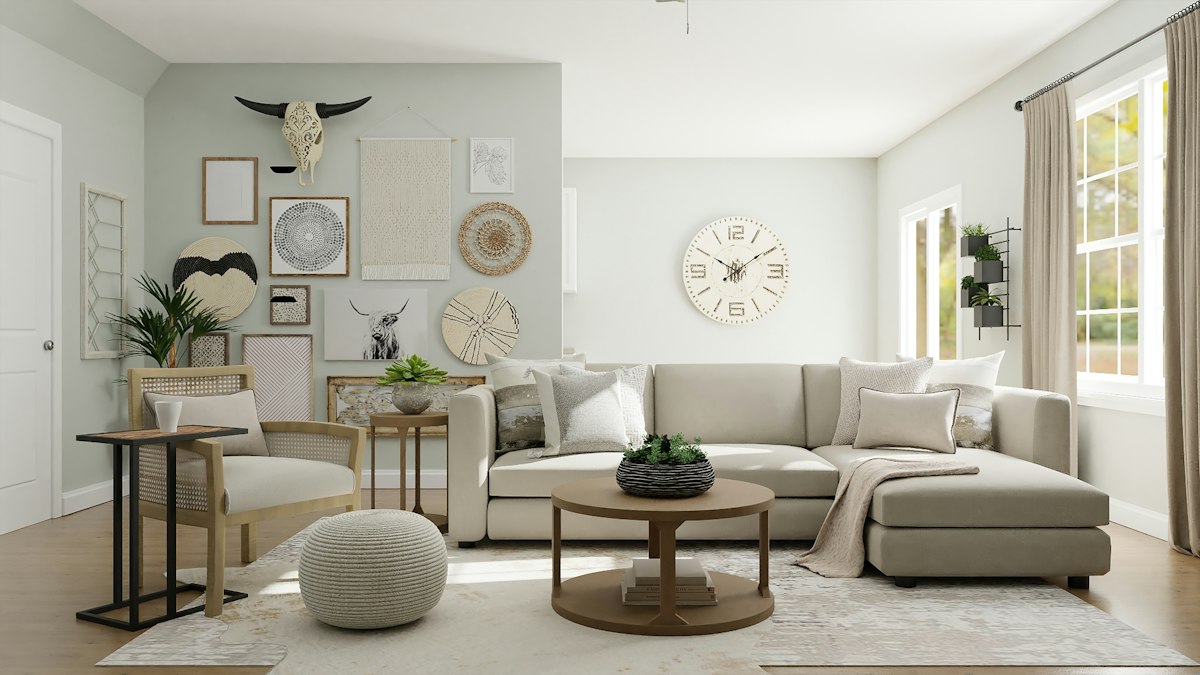
Think of it instead as: 60% texture, 30% form, 10% color. In a minimalist room, color is almost irrelevant compared to the tactile quality of surfaces. A linen sofa in warm oatmeal reads completely differently from a polyester sofa in the same shade. The fiber content is doing more design work than the hue.
For budget decorating, this reframe is liberating. Natural textures — rattan, linen, raw wood, stone-look ceramics — are widely available at accessible price points. A $45 jute rug and a $28 linen throw can shift a room's perceived quality more dramatically than a $300 decorative object in a synthetic material.
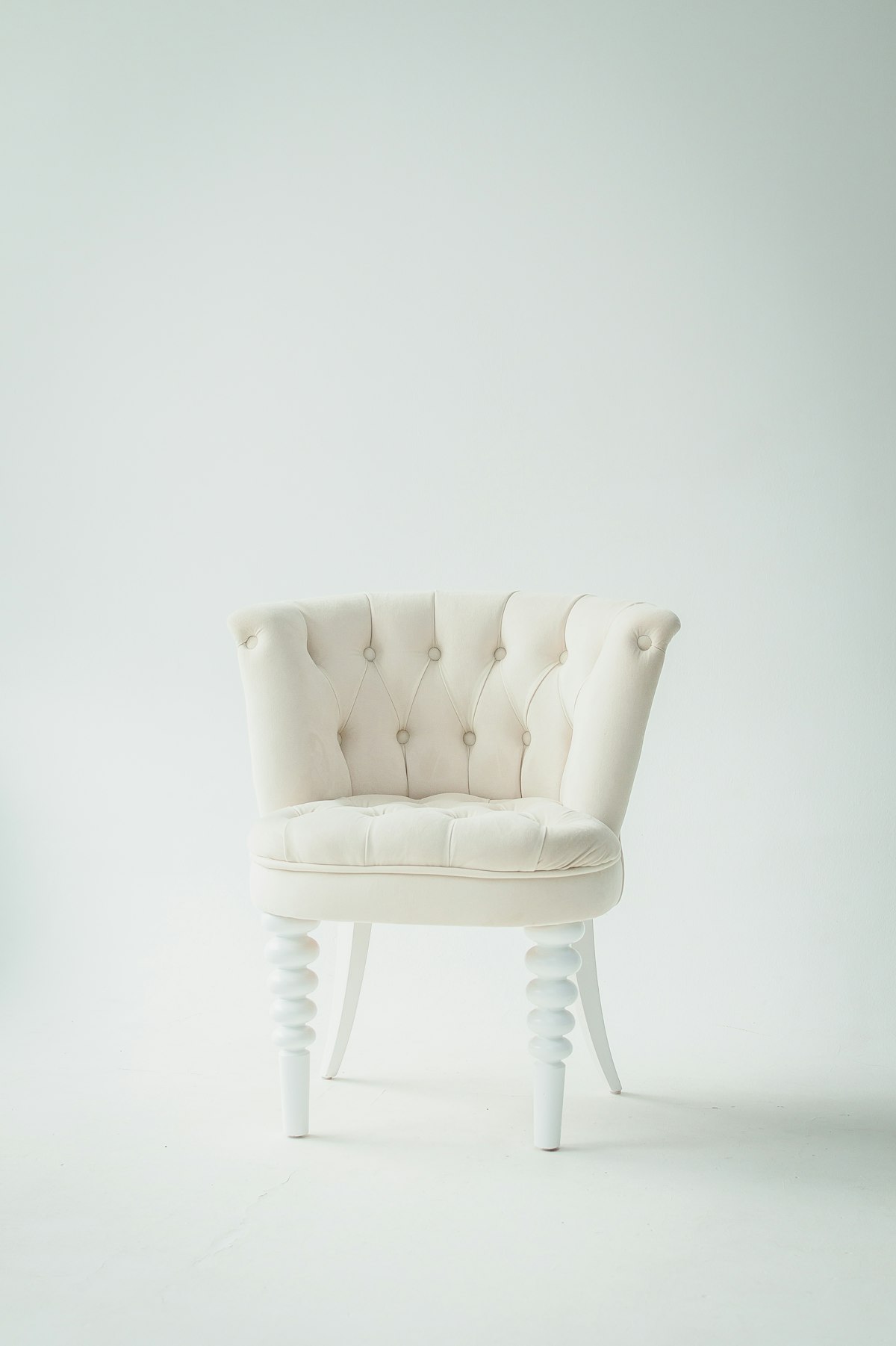
Interior designer Jeremiah Brent has noted that "the rooms that feel the most expensive are almost always the ones with the most restraint — fewer things, but each one chosen with real intention." That restraint is free. It costs nothing to edit.
Where to Spend, Where to Save: A Brutally Honest Breakdown
Not all furniture categories carry equal visual weight. Here's how to allocate a $2,000–$5,000 room budget with the logic of a working designer:
Spend here (these items define the room):
- Sofa or primary seating — aim for 30–40% of total budget
- Primary light fixture (pendant or arc floor lamp) — 10–15%
- Area rug — 10–15% (size matters more than brand)
Save here (these items support, not define):
- Side tables and accent chairs — secondhand or entry-level modern
- Throw pillows and blankets — natural fiber at any price point works
- Wall art — prints, not originals; framing quality matters more than the image
- Decorative objects — one or two considered pieces, not a collection
The counterintuitive insight: a $600 sofa with a $180 arc floor lamp will almost always outperform a $900 sofa with a $40 floor lamp from a big-box store. Light quality is the multiplier.
Lighting as a Budget Multiplier: The Single Highest-ROI Decision
Overhead lighting is the enemy of atmosphere. This is not an opinion — it's physics. A single overhead fixture creates flat, shadowless illumination that flattens texture, washes out color, and makes even expensive furniture look institutional.
The fix costs less than most people assume. Three well-placed light sources at different heights — a floor lamp, a table lamp, and either a pendant or wall sconce — can transform the perceived quality of a room without touching a single piece of furniture. Budget: $150–$400 for all three, if you shop deliberately.
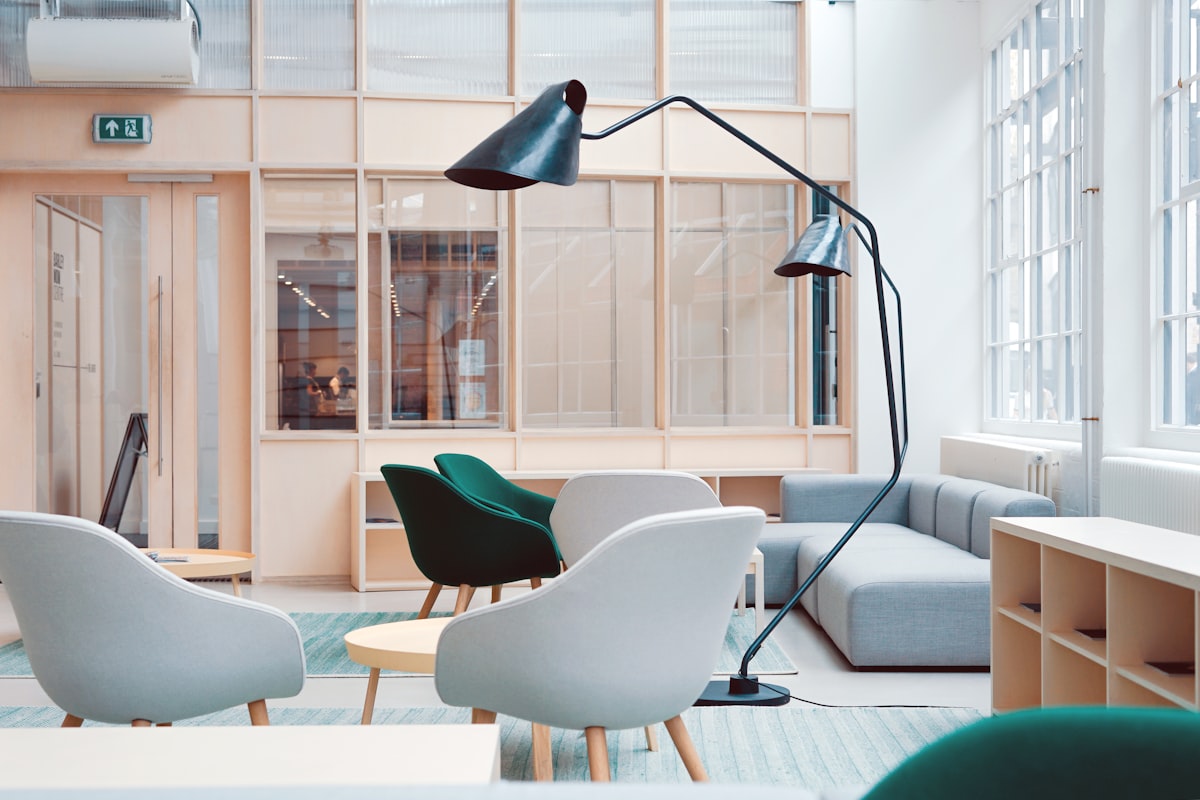
For modern and Japandi-influenced spaces, the form of the fixture matters as much as the light output. A sculptural arc floor lamp does double duty: it provides warm ambient light and acts as a statement object, eliminating the need for additional decorative pieces in that corner of the room.
Bulb temperature is free to optimize. 2700K–3000K (warm white) is the standard for residential spaces that feel considered. 4000K and above reads as commercial. This single setting change costs nothing and affects every surface in the room.
Explore RModern's floor lamp collection for sculptural options that function as both light source and design anchor — the kind of piece that makes the rest of the room look more intentional.
The Secondhand Strategy: What Designers Actually Buy Used
Not everything ages equally. Experienced designers have a clear hierarchy for what they'll buy secondhand versus new — and it's not based on price. It's based on what degrades and what doesn't.
Buy used without hesitation:
- Solid wood tables and case goods — they improve with age and refinishing
- Ceramic and stone decorative objects — inert materials, no degradation
- Metal lighting fixtures — patina adds character, not wear
- Architectural mirrors — the glass is the value, frames are refinishable
Buy new when possible:
- Upholstered seating — foam compression and fabric hygiene are real concerns
- Mattresses and bedding — non-negotiable
- Rugs with heavy foot traffic history — fiber integrity is hard to assess
Facebook Marketplace, Chairish, and local estate sales consistently yield solid wood pieces at 20–40 cents on the dollar. A $60 oak side table with a $15 can of Danish oil becomes a $75 piece that reads as intentional vintage — which is exactly the aesthetic that modern and Nordic interiors are built around.
For a deeper look at how to layer vintage and contemporary pieces, see our guide to mixing modern and vintage furniture styles.
Small Space, High Impact: Budget Strategies for Apartments and Compact Rooms
Compact spaces punish clutter more severely than large ones. The budget advantage: you need less of everything, which means you can spend more per piece on the items that matter.
The most impactful interventions for small modern spaces, ranked by cost-to-impact ratio:
- Mirrors: A large-format mirror (24" × 36" minimum) on a wall opposite a window doubles perceived light and depth. Cost: $40–$120 secondhand.
- Vertical storage: Floor-to-ceiling shelving draws the eye upward and makes ceilings feel higher. Open shelving with edited, intentional objects reads as designed rather than stored.
- Furniture legs: Pieces with visible legs — sofas, chairs, side tables — allow light to pass underneath, making floors feel larger. Avoid skirted or platform furniture in small rooms.
- Consistent flooring: If you can't change the floor, a single large rug that extends under furniture edges unifies the space and eliminates the visual choppiness of multiple small rugs.
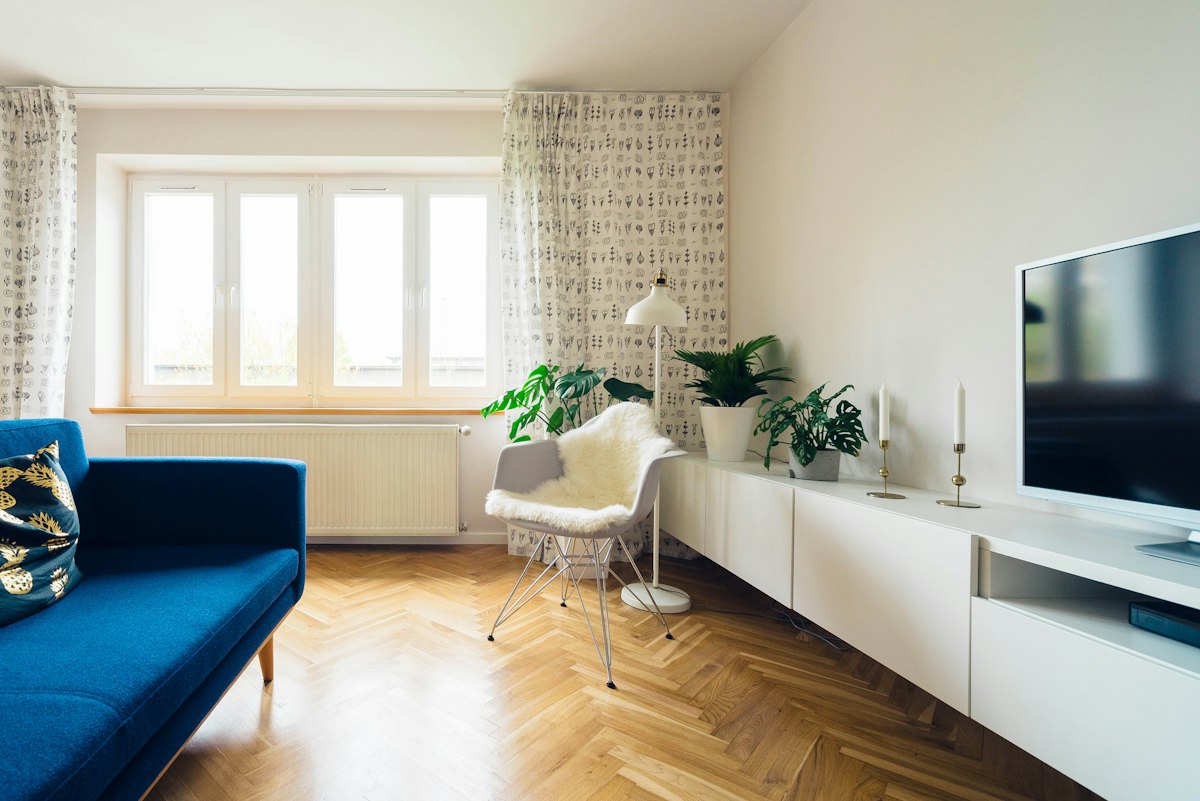
The rule of thumb for rug sizing: if the rug looks right, it's probably too small. In a living room, the front legs of all seating should sit on the rug. In a bedroom, the rug should extend at least 18 inches beyond the sides and foot of the bed.
Color and Material Palettes That Look Expensive on Any Budget
Certain color and material combinations read as high-end regardless of price point. This is not about brand recognition — it's about the visual logic of restraint and contrast.
The palettes that consistently photograph well and feel considered in person:
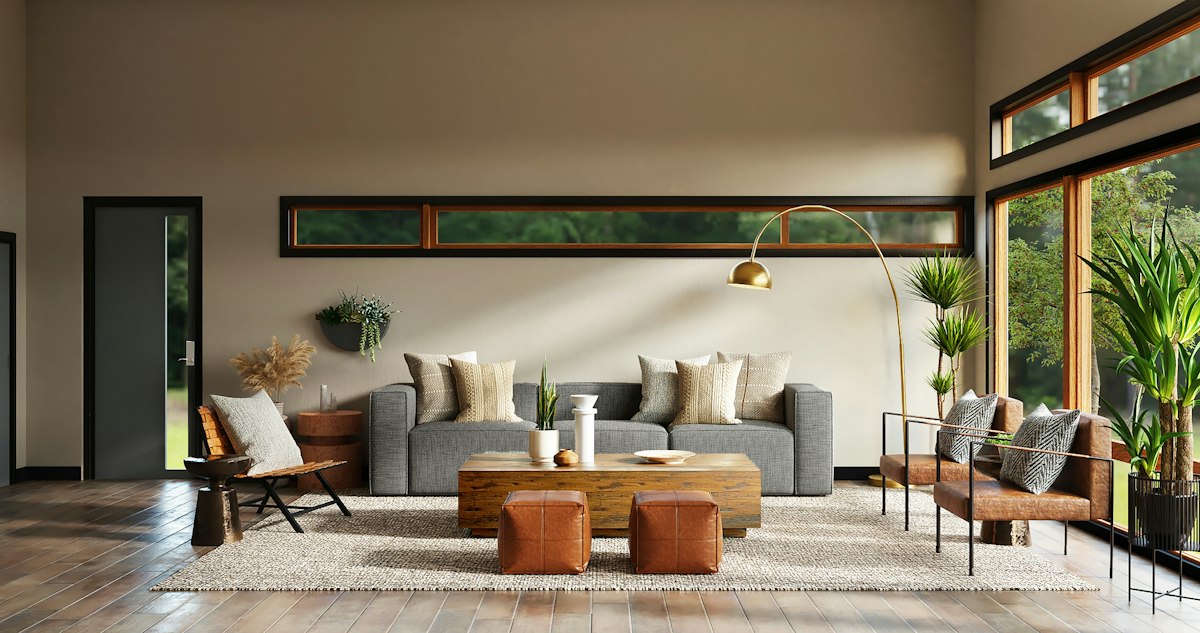
- Warm neutrals + raw wood + matte black: The Nordic-modern standard. Works at every price point because the logic is in the combination, not the materials.
- Cream + natural linen + terracotta: Boho Luxe without the clutter. Three materials, maximum two accent colors.
- White + warm oak + aged brass: The Japandi formula. Requires discipline — every object must earn its place.
What makes these palettes feel expensive is not the cost of the materials — it's the consistency. A room where every piece shares a material logic (warm metals only, or cool metals only; warm wood tones only, or cool gray tones only) reads as designed. A room where materials are mixed without logic reads as assembled, regardless of spend.
Paint is the highest-ROI single purchase in home decor. A $60 gallon of quality paint in a considered color — Benjamin Moore's Pale Oak, Farrow & Ball's Elephant's Breath, or Sherwin-Williams' Accessible Beige — transforms a room more completely than any furniture purchase at the same price point. According to the National Association of Realtors, interior painting returns an average of 107% of cost in perceived value.
Browse RModern's modern decor collection for accent pieces that work within these palettes — each selected for material integrity, not trend cycles.
Frequently Asked Questions
How do I make my home look modern without spending a lot of money?
Start with subtraction, not addition. Remove anything that doesn't serve a clear purpose or bring genuine visual satisfaction. Modern interiors are defined by restraint — fewer, better-chosen pieces. Then focus on light: replace overhead-only lighting with layered sources at different heights. Finally, introduce one natural texture (linen, rattan, raw wood) that ties the room together. These three moves cost less than $200 combined and have more impact than most furniture purchases.
What's the most cost-effective way to update a living room on a tight budget?
Repaint one wall or the entire room in a warm neutral — this single change affects every surface and costs $40–$80. Then add a floor lamp with a warm bulb (2700K) to replace or supplement overhead lighting. These two interventions, totaling under $150, will change how the room reads more dramatically than new furniture at five times the cost.
I have a small apartment with low ceilings — what decor choices will make it feel bigger and more modern?
Choose furniture with visible legs to let light pass under pieces, making floors feel larger. Hang curtains as close to the ceiling as possible and let them fall to the floor — this draws the eye upward and makes ceilings feel taller. Use a single large mirror opposite a window. Keep the color palette consistent and light: warm whites and pale naturals expand perceived space more reliably than any architectural intervention.
Is it worth investing in quality furniture when decorating on a budget?
Yes — selectively. Concentrate quality spend on the sofa (the piece you use most and that anchors the room visually) and the primary light fixture. These two items define the room's quality ceiling. Everything else — side tables, accent chairs, decorative objects — can be sourced secondhand or at entry-level price points without compromising the overall result. A $600 sofa and a $150 arc lamp will outperform a $900 sofa with a $30 floor lamp every time.
What's the difference between modern, minimalist, and Scandinavian interior design styles?
Modern design refers broadly to clean lines, functional forms, and a rejection of ornament — it's a design philosophy, not a specific look. Minimalism is a subset that takes restraint to its logical extreme: only what is necessary. Scandinavian (or Nordic) design adds warmth and craft to minimalism — natural materials, handmade textures, and a focus on hygge (comfort and coziness). In practice, most contemporary interiors blend all three: the clean lines of modern, the restraint of minimalism, and the warmth of Scandinavian material choices.
How do I mix Boho and modern furniture styles without the room looking chaotic?
The key is to anchor the room in modern structure — clean-lined sofa, simple case goods, consistent metal finish — and introduce Boho elements through textiles and organic objects only. Rattan, macramé, and layered rugs read as Boho; they don't require Boho furniture forms. Keep the furniture silhouettes modern and let the accessories carry the warmth. Limit the Boho layer to 20–30% of the room's visual weight, and ensure all materials share a warm (not cool) undertone.
The rooms that stay with you — the ones you photograph and save and return to in your mind — are almost never the most expensive ones. They're the ones where someone made a decision and committed to it. Budget decorating, done well, forces exactly that kind of discipline: fewer choices, each one more considered. That constraint is not a limitation. It's the condition under which good design actually happens.
The pieces that do the most work in a modern home are rarely the most obvious ones. Start with light. Edit ruthlessly. Choose one material palette and hold to it. The rest follows.
→ Shop the Lighting Collection — the highest-ROI category in any room, at any budget.
→ Read the Modern Home Lighting Guide — our pillar resource on layering light across every room type.
→ Explore Scandinavian Interior Design Ideas — the cluster post on Nordic aesthetics and how to apply them affordably.


